
Spider-Man: Across the Spider-Verse
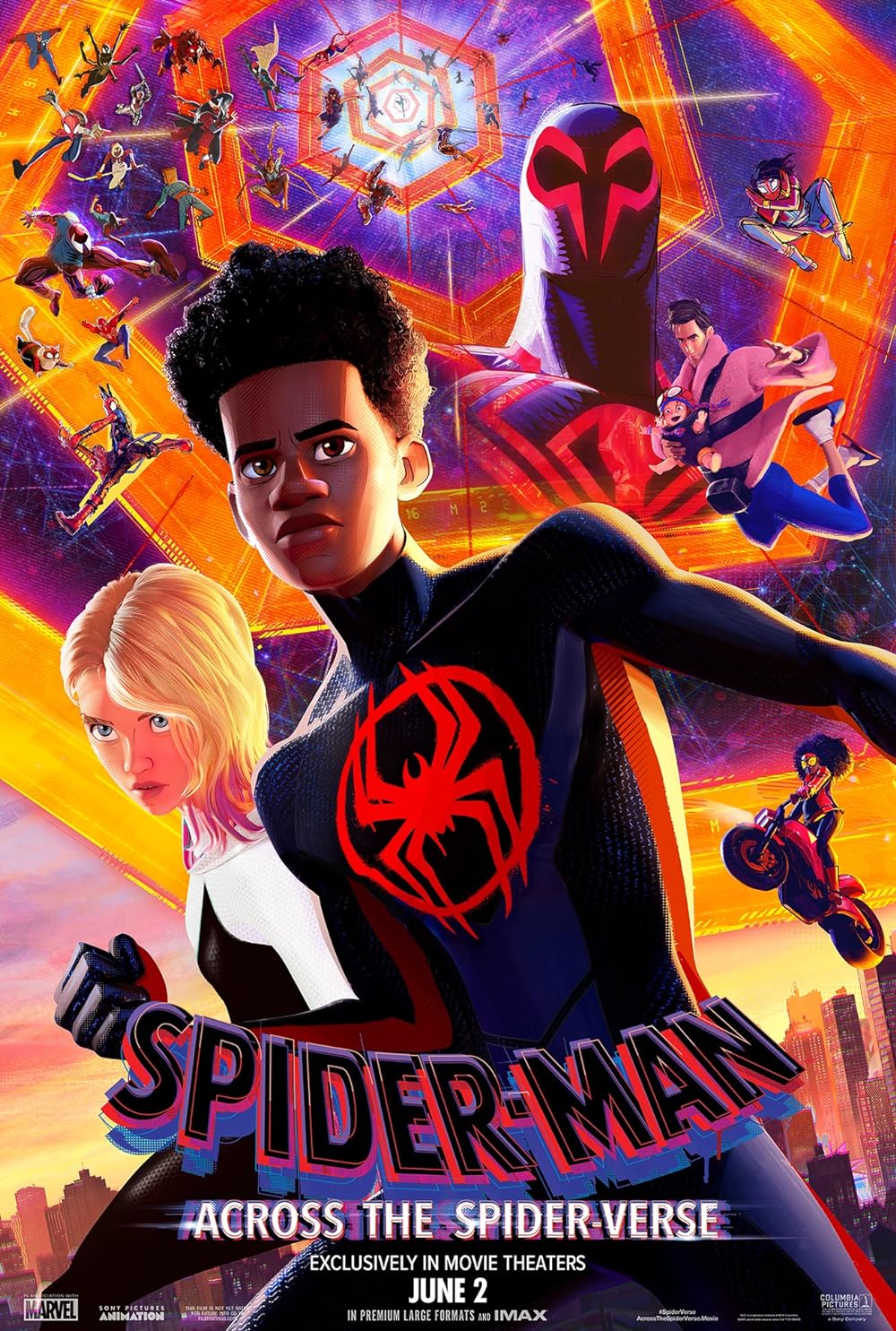
Spider-Man is a character that holds a special place for many of us. My generation first encountered him through the animated series when we were quite young. Peter Parker was an adolescent who had lost his parents and struggled financially, living with his aunt and uncle. His struggles with financial issues, social difficulties, and feelings of being an outsider resonated with each of us in some way. He became someone with whom we could identify, dealing with everyday issues on top of the responsibility of being a superhero, leading to sometimes comedic and sometimes heart-wrenching outcomes. What set him apart from other typical superheroes was this aspect. Besides being the best-selling superhero in comic books, his extreme popularity as a superhero among people on the street is because he presented a superhero who was most relatable to humans, someone grappling with human-like problems.
If This is a Comic Book Movie, Then What About the Others?
Yes, Spider-Man is one of the most popular superheroes. It wouldn't be surprising to say that the first serious big-budget superhero film was made for him. The successful director Sam Raimi's 2000 film "Spider-Man" was well-received. The second film further solidified this success, but unfortunately, due to studio pressure and expectations, the third film couldn't live up to the anticipated success. Reboots were attempted twice later, with some being good and others falling below average. Unfortunately, recent Spider-Man content has been leaning towards quantity over quality, much like the comic book films that have been coming out. Especially the recent works of DC and Marvel are squeezing the same formula dry. So, is "Across the Spider-Verse" the same? It might sound like a spoiler, but I need to say this from the start: aside from comic book films in general, this film stands on its own, even aside from the first one.
Unlike Cameo Shows Based Entirely on Nostalgia
The rise of geek culture in recent years has led many studios to produce superhero films. Marvel in particular blazed a trail that brought numerous above-average films, satisfying geeks and bringing new geeks into the culture. Geeks used to settle for what could be considered average or occasionally good superhero films. When Marvel ran out of ideas, a trend of homage to the past began in the industry, following the path they had set. Many films started to arrive that focused solely on bringing back beloved characters from the past in iconic roles, aiming to evoke smiles through cameos. "Spider-Man: No Way Home" is a recent example of this. I've started to become uncomfortable with this. We're now buying tickets for mediocre, uninspired films just to see our childhood heroes. In this film, however, the cameos and references can be likened to the sauce in a delicious dish, whereas in other examples, they're trying to feed us sauce when the meal is lacking.
Spider-Man: Into the Spider-Verse
I consider the first film flawless. It was incredibly successful in introducing Miles and his universe to us. There were no unnecessary events, scenes, or characters that didn't contribute to Miles' character development. What the first film excelled in reflecting was culture. In introducing us to a Hispanic African-American child growing up in Brooklyn, it demonstrated how to use environmental narrative effectively. For example, the portrayal of the Brooklyn ghetto that illustrates why Miles' family is protective of him and how the things that define Miles' personality—like his graffiti art, musical taste, or clothing style—are influenced by the environment, provided a lesson on how visual consistency should complement storytelling.
The visuals of the first film were unique. It managed to showcase multiple animation styles in the same frame, conveying the comic book aesthetic to perfection. Although not my style, I admired the use of music, which blended seamlessly with the scenes and paced the story wonderfully. I've watched the first film multiple times, and even in rewatching it before "Across the Spider-Verse," I couldn't find any faults. The film truly captivates you in every aspect. The pacing is masterful, and I wholeheartedly recommend it to everyone.
Exceeding Expectations and Taking Them Higher
The biggest drawback of the first film for me was that it heightened my expectations for the second one. I was genuinely afraid of this. While I enjoyed the creativity in the first film, I feared that subsequent films might be influenced by studio pressure, resulting in safe, uninteresting stories. Considering Sony's track record in producing superhero films and their recent poor reputation, this was a legitimate concern. However, as the film began and completed its first quarter, fear turned into excitement and joy. It was clear from the start that this was a project passionately crafted by the same creative team. I sensed this within the first 30 minutes of the film and it didn't disappoint for the remainder. This film fully met our expectations and desires. It was exactly what we hoped for and expected. In many ways, it surpassed the first film. It took something almost perfect and pushed it even further. Especially in terms of visuals, it pushed the boundaries of cinema.
Setting the Standards for Animation
"Spider-Man: Across the Spider-Verse" might be the most visually stunning piece of art I've ever seen. From a technical perspective, it's close to perfection. The studio skillfully blended six different animation techniques, avoiding visual complexity and creating clean and aesthetically impressive visuals. Each universe had a distinctive visual style. For instance, Spider-Gwen's universe resembled "impressionistic" watercolor paintings, reflecting her emotional state, while creating Spider-Punk's animation style took two to three years. They collected various materials such as 1970s punk-rock album covers, posters, magazine and newspaper covers, and merged them into his guitar, body, and head to achieve a look reminiscent of old photocopy machine gray toner prints. The studio showcased the atmosphere and emotions of each character and universe, skillfully translating them into an exceptional cinematic experience.
Do Colors Tells Story?
This film is undoubtedly one of the most colorful films I've ever seen. I'm not just referring to the vibrancy of the colors used. It boasts a palette of colors that would be enough for at least six films. Colors define the character of scenes, while color tones harmonize with the pace and music. Upon closer observation, it's evident that colors are even used for foreshadowing. For example, before Miles realizes he's in a different universe, attentive viewers can understand this through his mother's eye color and the overall color theme of the universe. Colors not only contribute to the design but also the storytelling, making it one of the rare works where colors play a role in narrative.
What’s Up Danger!?
"Spider-Verse" appeals not only visually but also to the ears. Despite it not being my usual taste, the film selected tracks that are pleasing to listen to. The tracks progress in perfect rhythm with the scenes. The original scores were composed by Daniel Pemberton, who worked meticulously on each character, universe, and event. The film's music selection was curated by Metro Boomin. Notable names such as Lil Wayne, Nas, ASAP Rocky, Becky G, and 2 Chainz were collaborated with. The tracks have been on constant rotation since I watched the film. Upon rewatching it, I understood that they were created specifically for certain scenes. Some music triggers memories of particular scenes whenever you hear them. They capture those emotions perfectly. Culturally, there's a diverse selection of tracks. They cover rap, R&B, Indian music, and punk rock styles that are relevant to different universes and characters, effectively showcasing their uniqueness.
Setting the Standards for Comic Book Films
This film, which Sony reportedly worked on for over six years with more than a thousand people and featuring around 240 characters, holds the record for the longest animated film produced in America. Despite this, knowing that such effort has gone into every scene is truly satisfying as a viewer. Knowing how unique what you're watching is can make you feel special too. You're aware that creative minds spent years pouring their creativity into these characters, drawings, and music, delivering a unique work for you. The viewer's expenses and the time spent watching become insignificant at that point. This is incredibly valuable in my opinion. I haven't seen even half the effort put into other comic book films that I've seen in this film. I haven't seen this level of dedication in any of the completed comic book films. It's a true work of art, nearly flawless in my eyes. It's the kind of film that completely absorbs you. I don't know how I'll watch upcoming superhero films in the same way again
Is There Absolutely No Negative Point İn This Film?
When I first watched the film, I got so caught up in it. The viewing experience was so enjoyable that I was carried away. Upon rewatching it, I paid closer attention. I did this not to search for flaws, but rather to catch extra details that made me fall in love with the film even more. There are two minor points that could be considered drawbacks.
Firstly, the film assumes that all Spider-Men have gone through the same series of events, and any deviation from this pattern is considered an anomaly caused by interference. Although there are similarities in the experiences of various Spider-Men, I don't believe that their experiences happened exactly the same way as shown. Until now, I've consumed numerous Spider-Man works with very different development stories. While many of them may have experienced similar events, I doubt that all of them occurred exactly as depicted. It seems like they've written this as a way to justify Miles' loss by fitting it into the same pattern and to justify other Spider-Men. This is likely a minor issue that will be addressed in the next film.
My other concern is that the film ends with the implication of a continuation. We knew this before the film was released. I have no issue with that. I prefer films that begin and end within themselves, but I don't consider this a major drawback. The film finishes most of the stories it starts within itself, while developing and expanding upon them for the next film. Although it's not a significant drawback, it's something I'd prefer differently.
For Everyone From 7 To 70
For me, "Across the Spider-Verse" is going to be
the film of 2023. I don't expect any film this year or even afterward to
surpass it (except the third installment). It's a film that shows us that we
deserve more than what's drawn across the lines, and it's far beyond what
ordinary films offer. It's a significant achievement that has pushed the
boundaries of comic book films. It touches on themes such as family,
responsibility, cultural differences, and self-discovery, making it a film that
should be watched by children as well. It's perfect for a wide range of ages, a
rarity in itself. We waited a long time due to Covid-19, but it was worth it.
We won't have to wait too long for the sequel, although I'm more than willing
to if it's as promising as this one.
9,8/10

Comments
Post a Comment